An Open Letter to Public Servants
The work will begin for a new administration but it continues for public servants. So we’ve compiled sage words for this moment and the journey ahead.


The work will begin for a new administration but it continues for public servants. So we’ve compiled sage words for this moment and the journey ahead.
Sometimes, it’s impossible to resist discussing politics with colleagues. If you’re going to do so, use these eight do’s and don’ts.

U.S. Digital Service (USDS) and the Office of Personnel Management (OPM) have partnered to test hiring pilots. So far, agencies have positive feedback.

Even with the sudden shift of circumstance, security experts had already foreseen the eventual need for distributed, remotely applied security.

The consequences of ineffective license management fall into three main categories: fiscal, security and operational.

As work and home lives tango during COVID-19, employees are tuning their schedules to the remote work rhythm that best suits them.

The government has no shortage of data, and an increasing amount of it resides in the cloud, making a cloud-based solution that integrates and manages that data from the start optimal for DR.
If the recent pandemic has taught government organizations anything, it’s that resiliency and crisis management always need to be top of mind.
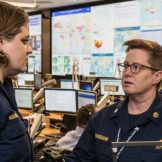
We can all recognize that the role geography plays in executing an effective public health response is critical. Understanding how to apply location-based thinking enhances preparedness and response efforts.

In order to meet the next set of deadlines, agencies must complete Action 4, which requires agencies to assess the coverage, quality, methods and effectiveness of current staff data literacy and data skills.