Tackle the Public’s Rising Customer Experience Demands
The public expects private-sector businesses to serve them continuously and digitally and, increasingly, they expect the same in the public sector.


The public expects private-sector businesses to serve them continuously and digitally and, increasingly, they expect the same in the public sector.
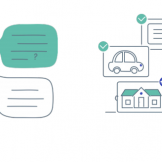
When the VEO was established in 2015, the ultimate goal was to listen to veterans’ voices. The office strategically deployed core CX capabilities.

A challenge for agencies in this increasingly digital world is the ability to understand the human experience of accessing services and benefits. “Government cannot treat us like humans if they don’t understand our experiences.”
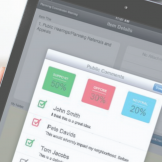
To build an effective and scalable experience, organizations must understand all aspects of their customer interactions and focus on three main levels of CX

“We need to be thinking about how different age groups will have different needs or expectations. And if we’re not taking that into consideration, then there’s the potential that we could be under-serving one or another group.”

In the past decade, the concept of user experience (UX) in government IT has gained widespread acceptance and moved into the mainstream.

I visited three government offices in two states within 48 hours. My goal in sharing this story is for readers to channel their inner customer and advocate for the people they serve in new ways.

How can agencies turn this critical surge in COVID-19-related communications demand into a broader digital transformation effort?

Governments must think holistically about the convergence of CX, digital transformation and secure, adaptable platforms. The efficacy of citizen services depends on it.

What compels an employee to go beyond what is required and provide what’s needed? What moves them to listen and serve with compassion and empathy?